Streaming Audio
Programmatic Audio Is the Right Next Channel When Google and Meta Stop Scaling
Every brand running Google and Meta eventually hits the same wall. Here is what to do when the next dollar stops working.
By Anthony Gaita
TL;DR
- Diminishing returns on Google and Meta signal the moment to diversify, not a reason to spend more on the same channels.
- Programmatic audio opens incremental reach in contexts display and social cannot touch.
- Audio demands attention in a way no visual format does. Listeners build a picture in their heads. That picture creates memory.
- Attribution has matured. The measurement gap that once justified ignoring audio no longer exists.
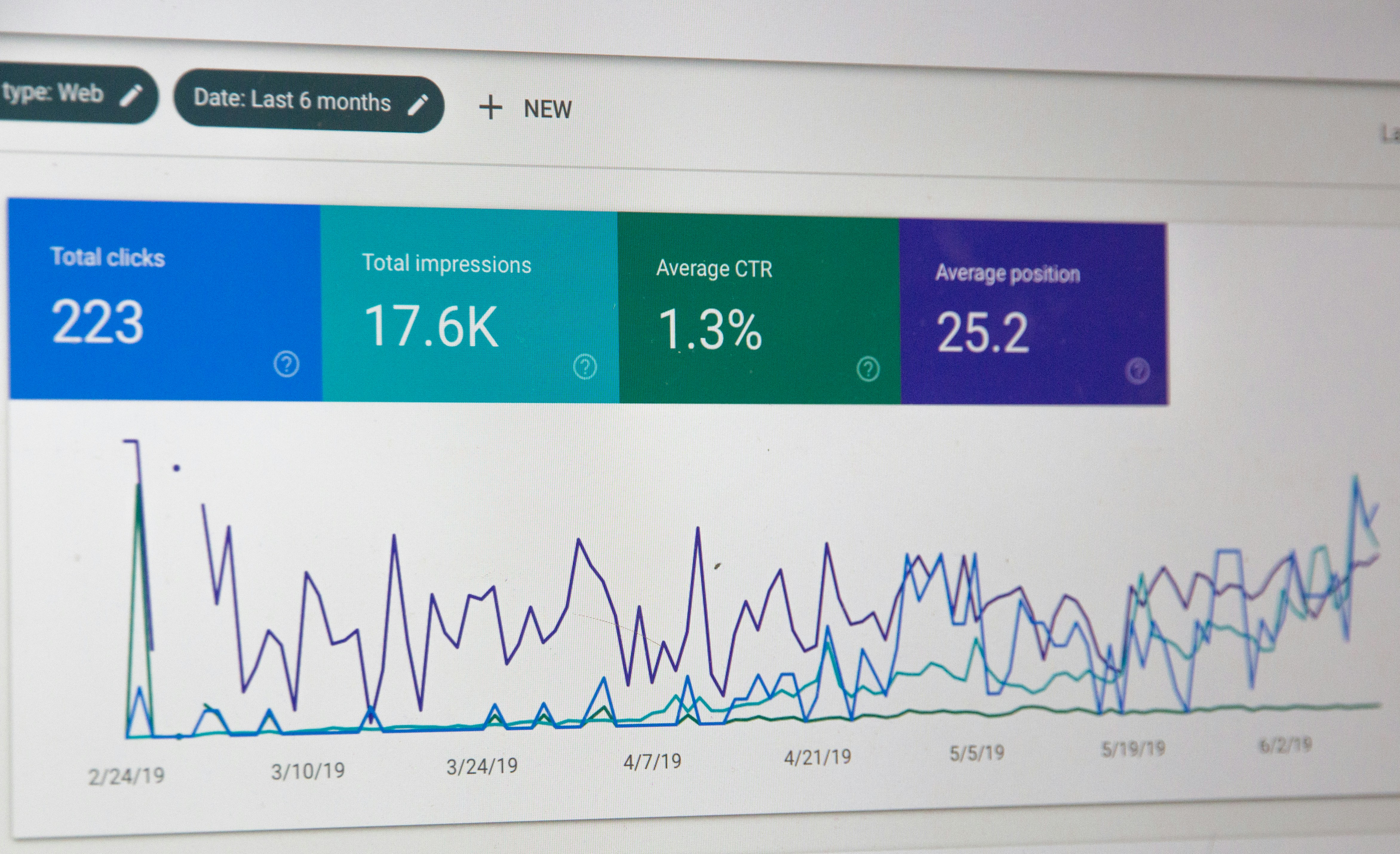
At some point, every brand running Google and Meta hits the same wall. CPMs climb. Frequency caps fill. The next dollar spent reaches the same people who already ignored the last 10 impressions. That is not a targeting problem, that’s just what diminishing returns looks like, and it’s your cue to diversify instead of double down.
Programmatic audio is one of the clearest answers to that problem. Not because it is new or fashionable, but because it solves the specific thing Google and Meta cannot: incremental reach, in high-attention contexts, at a cost that leaves room to test and learn.
The Diminishing Returns Problem Is Structural, Not Tactical
Brands in growth mode typically exhaust their highest-intent audiences first — which makes sense. Search captures people already looking. Retargeting captures people already interested. Social lookalikes work until the model runs out of useful signals. These aren’t failures of execution, they are the natural ceiling of demand capture / performance marketing.
When marginal ROAS starts declining, the instinct is to optimize harder on the same platforms. Adjust bids. Refresh creative. Tighten audiences. That can buy time, but they don’t expand the pool. The only way to grow the pool is to reach people who have not yet been exposed to the brand, in environments where those platforms do not have reach.
That is where audio comes in.
Audio Reaches People in Moments Display and Social Can’t
The average American now spends well over an hour a day listening to streaming audio or podcasts. That time happens in the gym, in the car, on a walk, in the kitchen. Screens are nowhere near those moments. Display ads are not running while someone is on a run. Pre-roll is not playing while someone is driving.
The streaming and podcast inventory available through programmatic buying is enormous and still growing. Spotify, Pandora, Amazon Music, and thousands of podcast networks are all addressable through DSPs. It’s a massive pool of reach sitting outside the walled gardens, available to brands willing to test it.
Share of ear is the framing worth internalizing. Brands have spent years competing for eyeballs on feeds, search results, and web pages. Audio opens a different competitive space entirely. In many of the moments when audio is consumed, your brand has no competition at all.
Audio Is Theatre of the Mind
This is the argument that does not appear in most programmatic audio pitches, and it is the most important one.
When someone hears a well-written audio ad, they don’t passively receive it. They build a picture. The listener’s imagination fills in the visuals, the setting, the characters. That cognitive engagement is qualitatively different from a banner or a scrolled-past video. It is lean-in attention.
Advertising research has shown for decades that audio formats drive strong brand recall precisely because of this mechanism. The human brain encodes what it constructs more durably than what it merely observes. A listener who visualizes your product in a compelling scenario has done cognitive work that a served impression never generates.
For brands that have been running the same display and social creative long enough to see frequency fatigue set in, this is a meaningful reset. Audio reaches the same person in a different cognitive state, with a format that cannot be scrolled past.
Attribution Has Caught Up
The standard objection to audio investment used to be measurement. How do you know it worked? That objection is weaker now than it has ever been.
Pixel-based attribution connects audio ad exposure to downstream site visits and conversion events. Brand lift studies measure awareness, recall, and purchase intent against exposed versus unexposed audiences. Cross-channel measurement tools from platforms like StackAdapt and The Trade Desk can surface audio’s contribution to assisted conversions across the full funnel.
Audio is not a black box anymore. It requires a slightly different measurement mindset than last-click performance channels, but any team that has learned to read incrementality tests or brand lift data on Meta already has the skills to evaluate it.
The Creative Barrier Is Lower Than You Think
Video production is expensive. A competent brand spot costs real money in crew, talent, location, editing, and post-production. Those costs set a high bar for testing and slow down iteration.
Audio production is a fraction of that. A strong audio ad needs a good script, a voice, and a sound engineer. The total cost is low enough that brands can run multiple creative concepts simultaneously, iterate based on real performance data, and find what resonates without committing to a five-figure production budget before the first impression is served.
That creative flexibility pairs well with the targeting precision available in programmatic audio. Contextual targeting by genre, mood, or activity. Demographic and behavioral audience segments. Dayparting to match the moments when your audience is most likely to be listening. The infrastructure for sophisticated audio buying exists. The creative lift to use it is lower than almost any other premium channel.
How to Think About It in Your Media Mix
Programmatic audio does not replace Google or Meta. It helps brands move past the plateau they’ve reached. The right framing is additive reach, not channel substitution.
For brands considering the move, the first 60 to 90 days are a learning period. Start with a defined audience segment you know from your Google and Meta data. Run two or three creative concepts. Measure site visits, brand search lift, and assisted conversion data. That baseline tells you how audio performs against your specific audience before you scale the budget.
At Floodlight, we run programmatic audio campaigns across streaming and podcast inventory for brands that have hit exactly this inflection point on paid social and search. The brands that have moved earliest on audio have found both the incremental reach and the CPM efficiency they were no longer finding on saturated channels.
If your Google or Meta ROAS has plateaued
We can show you what programmatic audio looks like for your specific audience and budget. Reach out to the Floodlight team.