Programmatic Advertising
Is Billboard Advertising Effective In 2026?
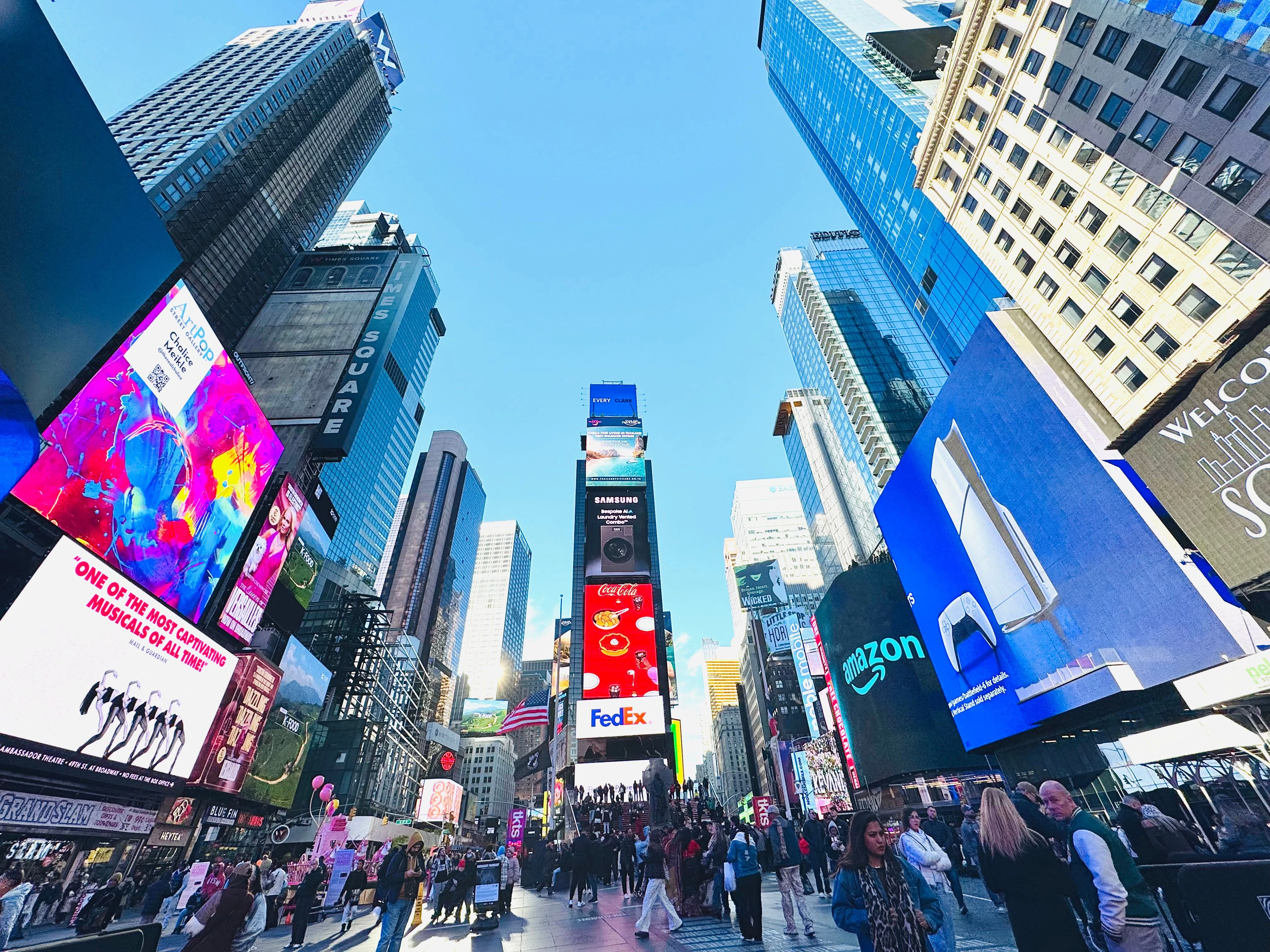
Billboards have been around for over a century, but the format has changed more in the last five years alone than in the previous fifty. Today, out-of-home advertising includes dynamic digital screens that can update in real time, serve different creatives based on the time of day, and integrate with programmatic buying […]
By Alexandra O’Neil
Billboards have been around for over a century, but the format has changed more in the last five years alone than in the previous fifty. Today, out-of-home advertising includes dynamic digital screens that can update in real time, serve different creatives based on the time of day, and integrate with programmatic buying platforms.
TL;DR: Billboard advertising remains effective in 2026, especially in digital (DOOH) formats that allow for smarter targeting and real-time creative updates. Brands of all sizes can run OOH campaigns programmatically, making the channel more accessible than ever.
Why Billboard Advertising Still Works
The 3-Second Rule

The main focus of outdoor advertising is attention. We’ve seen poorly run billboards on a freeway that include QR codes. Firstly, using a handheld device while driving is illegal. Secondly, even if it were legal, when driving past a billboard at 65mph, nobody has time to pull out their phone and scan. Brands that use billboards to drive conversions are missing the point entirely.
Drivers process a billboard message in roughly three seconds, which means your creative needs to communicate one clear idea quickly. This means a logo, a simple phrase, and a strong visual. That’s it.
These limitations force brands to get to the point in a way that digital and social ads often don’t.
The Rule Of 7 In Advertising
The rule of 7 is an old marketing principle: a consumer needs to see your message approximately seven times before it registers and drives action. Billboards are a natural fit for this kind of repetitive exposure. Someone commuting the same route five days a week will see your board ten or fifteen times in a month without any additional media spend on your end. That frequency adds up, especially when your billboard is part of a broader campaign across channels like streaming audio or connected TV.
Where Billboards Are Banned
It’s worth noting that billboard advertising isn’t available everywhere. Vermont, Hawaii, Maine, and Alaska have banned most roadside billboards under state law, with Vermont’s ban dating back to 1968. Several other states and municipalities have strict local restrictions on size, lighting, and proximity to highways or residential areas. If you’re running a regional campaign, these restrictions are something you need to consider.
What Is DOOH Advertising?

DOOH stands for Digital Out-of-Home. This includes digital billboards, transit screens, gas station displays, mall kiosks, and any other screen-based outdoor format. The “digital” part matters because it means these placements can be bought programmatically, updated remotely, and measured with more precision than a static vinyl board.
How DOOH Differs From Traditional OOH
A traditional billboard is a fixed buy: you purchase a specific location for a set period, print a vinyl, and install it. DOOH works more like display advertising, where you can set audience parameters, bid on impressions, swap creatives based on weather or time of day, and pull reporting on estimated reach. For brands already running other programmatic campaigns, adding DOOH to the mix is a natural extension.
How Small And Mid-Size Brands Can Benefit from DOOH
One of the bigger misconceptions about billboard advertising is that it’s only for large national brands with massive media budgets, but DOOH has changed that. Programmatic buying allows you to set a budget, define a geographic radius, and run across a network of screens without negotiating individual placements. A local business can run in targeted ZIP codes, and a regional brand can activate in specific DMAs.
The format also works well for brand awareness campaigns that support lower-funnel performance channels. Someone who sees your brand on a highway board and then gets served a retargeted display ad later in the day is more likely to convert than someone who sees only the display ad cold.
How To Get DOOH Advertising
Most DOOH inventory is accessible through programmatic platforms that connect to digital screen networks across the country. Campaigns can be set up with geographic, demographic, and time-based targeting, then served across thousands of screens in a given market. Measurement typically comes through estimated impression counts, location analytics, and brand lift studies.
How Floodlight Can Help With Your DOOH Campaign
Floodlight offers programmatic marketing services that include DOOH as part of a full-funnel media mix. Our team works with brands to plan, execute, and measure out-of-home campaigns alongside connected TV, streaming audio, display, and other channels. Whether you’re new to DOOH or looking to make your existing spend work harder, we can build a strategy that fits your goals and your budget.
Get in touch with our team to talk through what a DOOH campaign could look like for your brand.